
The Importance of Early Socialization
Bringing a new puppy into your home is an incredibly exciting time! At Dogs 'N' Pups, we know that one of the most crucial steps in raising a well-adjusted and happy dog is proper socialization. This process, which ideally begins in their early weeks and continues through their first year, is all about introducing your puppy to a wide variety of sights, sounds, people, and other animals in a positive and controlled way. It's the foundation for building a confident dog who can navigate the world without fear or anxiety. Think of it as helping your puppy build a "social toolkit" that they'll use their entire life.
- Why is it so important? Proper socialization helps prevent fear-based aggression, anxiety, and reactivity later in life.
- When should it start? The critical socialization window for puppies is typically between 3 and 16 weeks of age.
- What does it involve? It's about positive exposure to new experiences, not overwhelming your puppy.
Creating Positive Experiences
The goal of socialization is to create positive associations with new things. This means ensuring that each new encounter is a good one. Start with gentle introductions to different surfaces, sounds, and people. For example, let your puppy walk on various textures like grass, pavement, and even a rug indoors. Play gentle noises at a low volume, like a vacuum cleaner or a doorbell, and reward your puppy with treats and praise. When introducing your puppy to new people, ensure they approach calmly and offer a treat. The same applies to meeting other friendly, vaccinated dogs. A controlled environment where your puppy feels safe is key.
Navigating Socialization Safely
While early socialization is vital, it's also important to do it safely, especially before your puppy is fully vaccinated. This is where choosing the right environments and companions is essential. We recommend interacting with other puppies and adult dogs that you know are healthy and well-behaved in a controlled setting. Puppy classes can be a fantastic way to achieve this, offering a supervised environment for interaction. Our team at Dogs 'N' Pups is always happy to offer guidance on safe socialization practices and can help you find appropriate opportunities for your growing pup.
What to Expect from Your Socialized Puppy
A well-socialized puppy will grow into a confident and adaptable dog. They'll be more likely to enjoy meeting new people, be comfortable in different environments, and handle everyday situations with ease. You'll find they are less prone to barking excessively at strangers or other dogs, and they'll generally be more relaxed and happy. This doesn't mean they'll never be scared of anything, but they'll have the tools to cope with new experiences. Investing time in socialization now will pay dividends for years to come, creating a more enjoyable and harmonious life for both you and your beloved pet.
Introducing New People and Places
As your puppy grows, it's crucial to introduce them to a variety of people and environments in a controlled and positive manner. This helps them understand that new faces and unfamiliar surroundings are not something to be feared. When introducing new people, encourage them to approach your puppy calmly, avoid direct eye contact initially, and let the puppy come to them. Offer small, tasty treats to create a positive association. Remember, not everyone will be a dog lover, and that’s okay! The goal is for your puppy to be comfortable and polite around different types of individuals, including children, elderly people, and those with hats or uniforms.
Similarly, exposing your puppy to different places is vital. Think about the everyday locations your puppy will encounter throughout their life. This could include:
- Quiet parks: Allow them to observe the world from a safe distance.
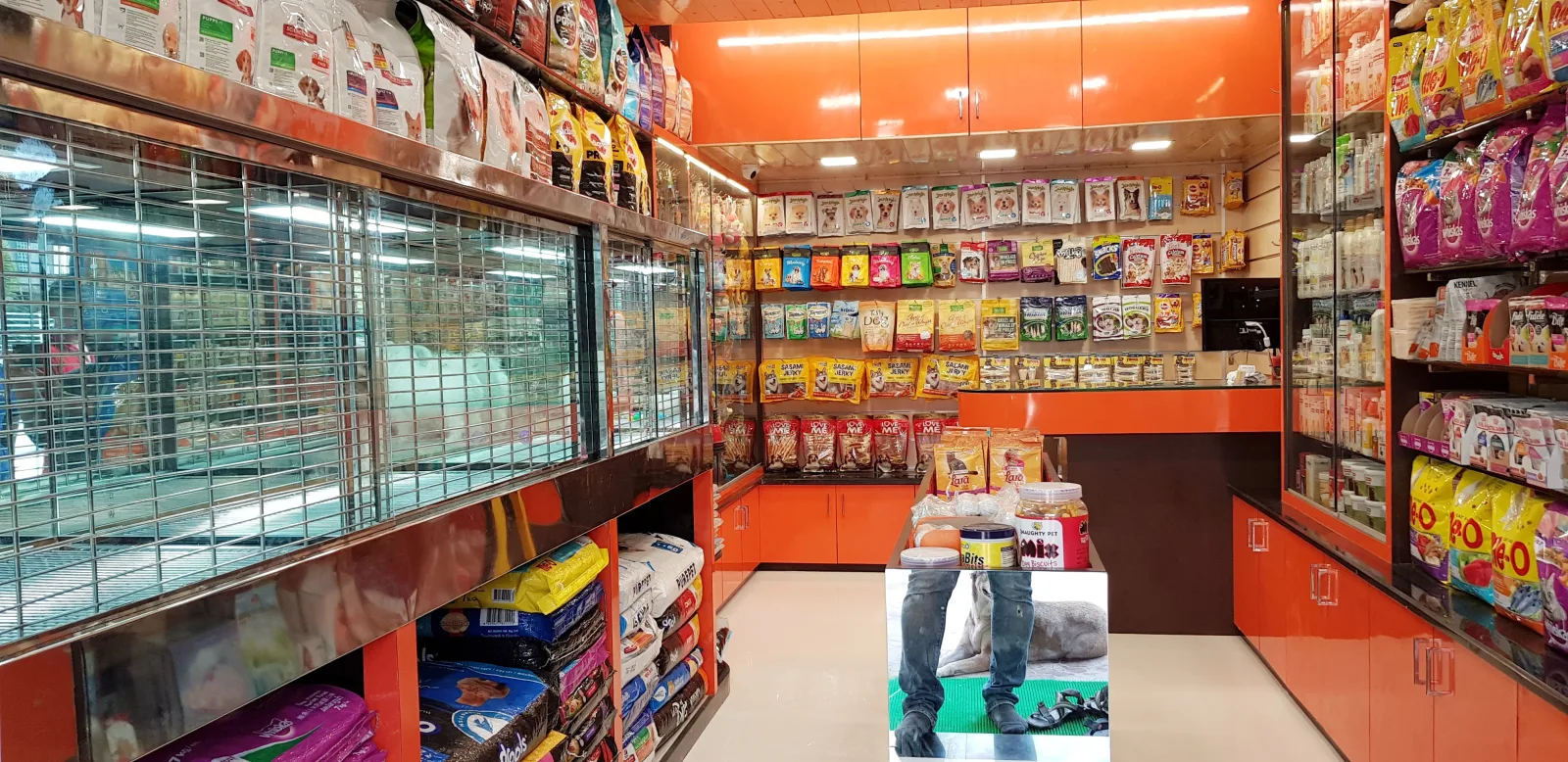
- Pet-friendly cafes or shops: Like our own Dogs 'N' Pups store, where they can experience different sights and sounds in a controlled environment.
- Car rides: Start with short, positive trips to get them accustomed to motion and confinement.
- Different flooring surfaces: From smooth tiles to grass and pavement, help them feel secure on various textures.
The key is to keep these experiences brief and positive, always ending on a good note before your puppy becomes overwhelmed.
Understanding and Responding to Puppy Body Language
A cornerstone of building a confident companion is learning to read your puppy's subtle cues. Understanding their body language will help you gauge their comfort level and intervene before a situation becomes stressful for them. Pay close attention to their tail wags – a high, fast wag can indicate excitement, while a low, slow wag might suggest nervousness.
Observe their ears: Are they perked forward in curiosity, or are they flattened back against their head, indicating fear or submission? Their eyes can also tell you a lot; wide eyes with a lot of white showing (whale eye) often signal stress. Yawning, lip licking, and panting when not hot can also be signs of anxiety.
When you notice your puppy exhibiting these stress signals, it's your cue to:
- Remove them from the situation: Gently guide them away to a quieter space.
- Offer reassurance: Speak in a calm, soothing voice.
- Provide a safe space: A familiar bed or crate can help them feel secure.
- Re-evaluate the exposure: Perhaps the environment was too stimulating, or the interaction was too intense. You may need to try again with less intensity or for a shorter duration next time.
Contact Dogs 'N' Pups (The Pet Shop)
- Mobile: +91 88998 89912
- Payment methods: Visa, Mastercard, Cash, UPI